An appetite for unfamiliar fruit can lead to a memorable journey, but a useful travel plan needs more than a list of unusual ingredients. In 2026, Marrakech is the African destination in this guide, while Tulum in Mexico and Hanoi in Vietnam are broader exotic and adventure alternatives. They are not all in Africa, and that distinction matters: each place has its own history, climate, food traditions, and etiquette. The common thread is the chance to explore markets, meet local cooks, and taste produce at its freshest.
Marrakech is the African choice
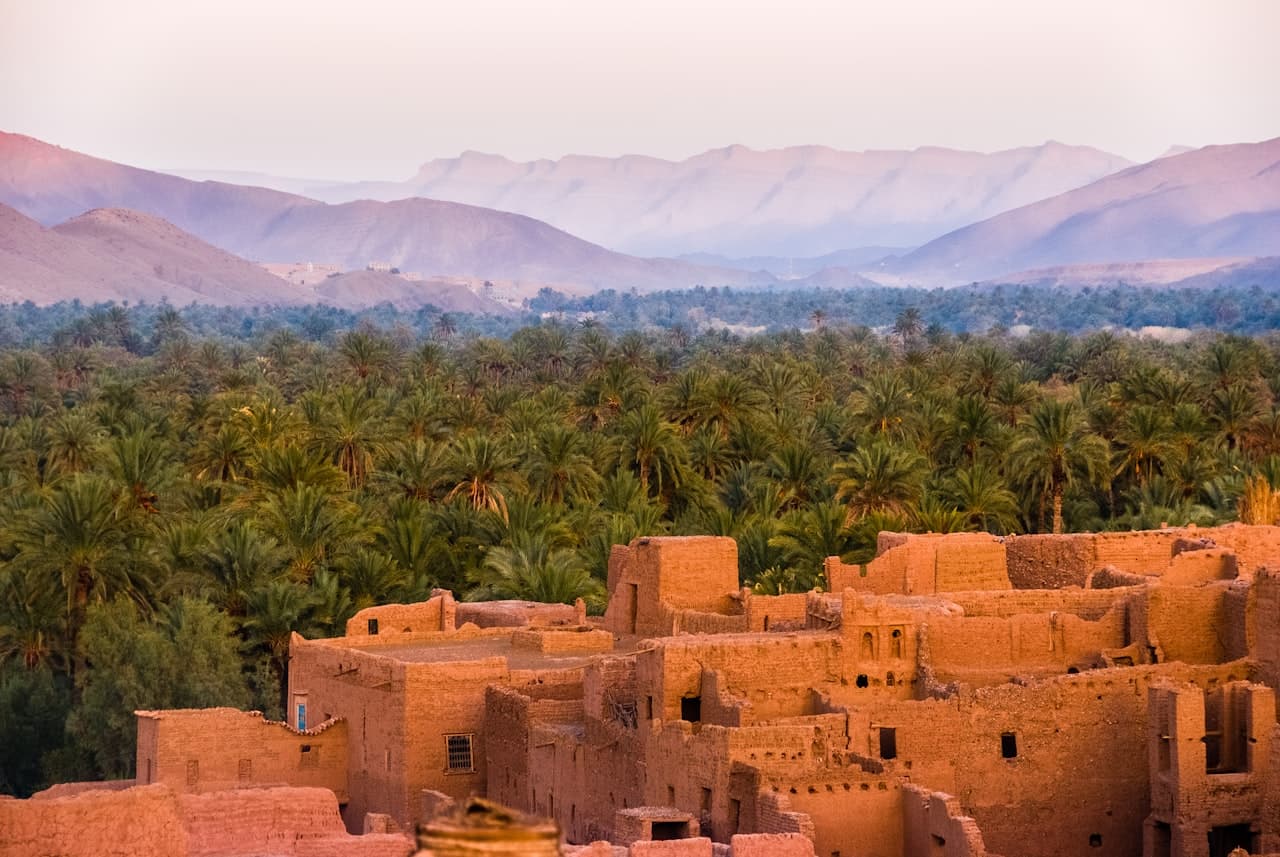
Marrakech is a compelling introduction to Morocco, with the medina, riads, gardens, craft workshops, and the evening energy of Jemaa el-Fnaa. Begin slowly. A guided walk can explain the maze of lanes, traditional architecture, and bargaining customs, while an early visit gives you cooler temperatures and less crowded views. Balance the famous square with a neighborhood bakery, a hammam that follows responsible hygiene practices, and a meal where the menu and prices are clear.
Moroccan food is more than one exotic fruit. Look for dates, figs, oranges, pomegranates, prickly pear when in season, and dried fruits sold by specialist vendors. Try mint tea respectfully and ask before photographing a person or stall. Wash fruit, choose busy vendors with good turnover, and do not assume every colorful item is ready to eat. A riad can arrange a market visit or cooking class, but confirm what is included, how ingredients are sourced, and whether the activity supports local staff.
Plan for heat and local rhythm
Marrakech can be hot, especially around exposed plazas. Carry water, cover shoulders and knees when entering appropriate religious or traditional spaces, and schedule walking for morning or late afternoon. Comfortable shoes matter on uneven lanes. Keep a map pin for your riad because the medina can be confusing after dark, and use a trusted transfer for a first arrival if you are unfamiliar with the area.
Travelers should budget for small purchases, guides, transport, and tips without treating bargaining as a contest. Ask permission before tasting or handling produce. Learn a few greetings in Arabic or French, accept that meals may take time, and seek shade instead of rushing. A respectful approach makes the market feel like a place of exchange rather than a backdrop.
Tulum is a broader adventure alternative
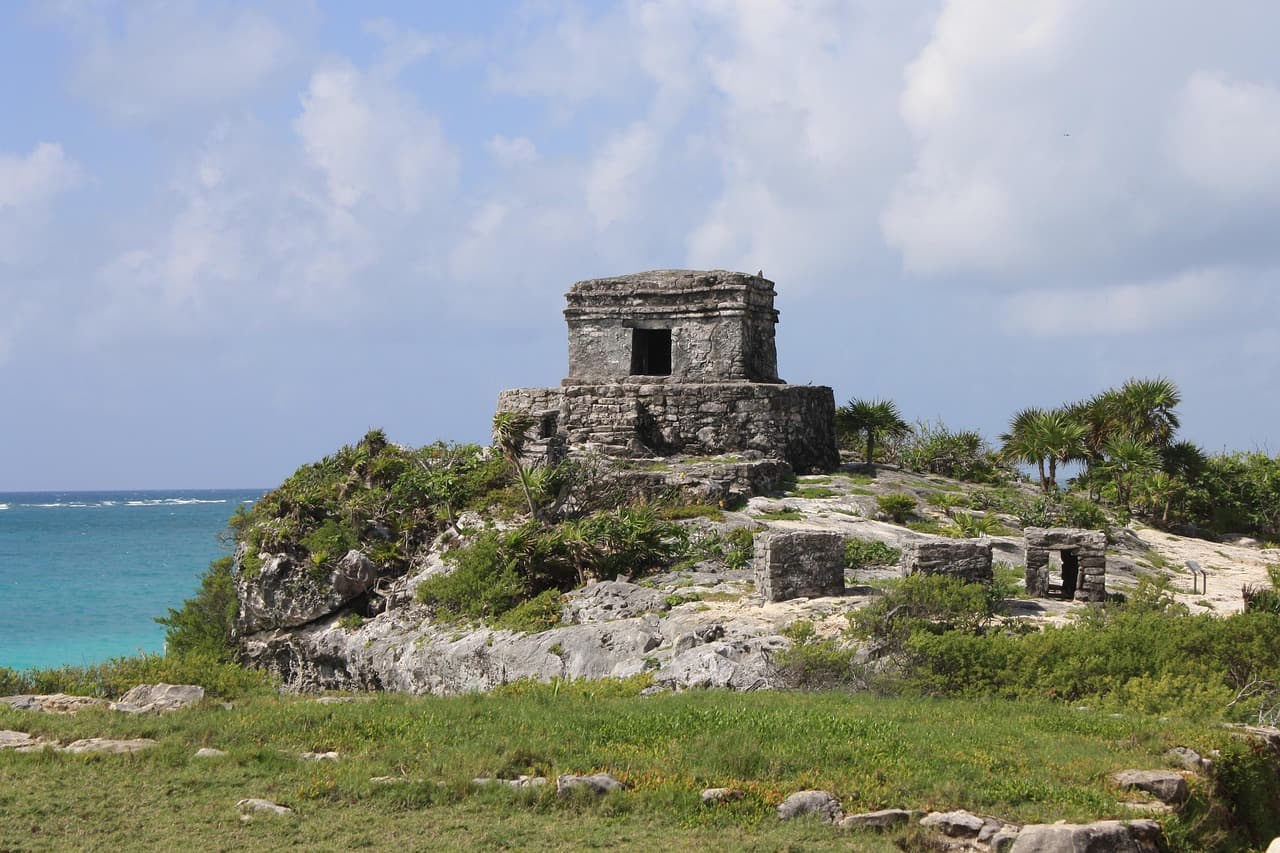
Tulum is not in Africa; it is a Caribbean destination in Mexico that suits the same curiosity about tropical flavors and outdoor discovery. Combine a morning at an archaeological site with a swim in an authorized cenote, then explore local restaurants rather than limiting meals to a resort strip. Try seasonal tropical fruit through a reputable market or cooking experience, and ask how to eat unfamiliar varieties safely.
The beach zone and town create different trips. The beach is convenient but can be costly, while the town offers more local dining and often better value. Confirm transport, electricity, water, air conditioning, and beach access before booking. Check current seaweed and weather conditions, respect cenote rules, and never touch wildlife or remove natural material. Tulum is best with spare time, not an overfilled checklist.
Hanoi is a broader food-and-culture alternative
Hanoi, also outside Africa, offers a different kind of exotic adventure: narrow streets, lakes, temples, craft villages, and a food culture built around fresh herbs, broths, rice, and fruit. Visit a morning market with a local guide, then try tropical produce such as rambutan, mangosteen, lychee, star fruit, or dragon fruit when available. Vendors can explain ripeness and preparation better than a generic tour description.
Street food rewards observation. Choose stalls with a steady local crowd, clean preparation areas, and ingredients turning over quickly. Carry hand sanitizer, drink treated water, and introduce new foods gradually if your stomach is sensitive. Hanoi traffic requires patience: cross steadily, follow locals, and keep valuables secure. Add a cooking class or day trip only after allowing recovery time from the heat and jet lag.
Build a responsible tasting itinerary
Do not make “exotic” mean strange or unsafe. Fruit is part of everyday life and local livelihoods, not a novelty display. Buy a small amount, ask before sampling, and avoid wasting food. Learn whether an activity pays producers fairly. Carry a reusable bottle and bag, limit disposable packaging, and choose guides who explain conservation rather than promising invasive encounters.
For 2026, confirm visas, health advice, seasonal harvests, and transport requirements from official sources. Choose Marrakech if your priority is an African medina, Moroccan hospitality, and North African markets. Choose Tulum or Hanoi as broader alternatives if you want tropical produce paired with Caribbean nature or Southeast Asian street food. Each destination offers discovery without pretending they are interchangeable, and that honesty makes the adventure richer.