Currency can influence a trip, but it should never be the only reason to choose a destination. Exchange rates move every day, and a favorable conversion does not make every hotel, flight, or activity inexpensive. For Americans planning in 2026, Rio de Janeiro, Bogota, and Medellin offer different ways to stretch a budget while enjoying distinctive food, neighborhoods, landscapes, and culture. Check live rates and current advisories before booking, and treat savings as an opportunity to travel thoughtfully rather than a promise that everything is on sale.
Build a realistic currency strategy
Start with a daily budget in U.S. dollars, then convert it into local currency before departure. Separate fixed costs such as flights and accommodation from flexible costs such as meals, museums, taxis, and guided experiences. Compare the final price, including taxes and service charges. A strong dollar may improve the conversion for local expenses while doing little for an international airfare priced in dollars.
Use a card with low foreign-transaction fees and carry a modest amount of local cash for small vendors and transport. When a terminal offers to charge in dollars, declining dynamic currency conversion is often the better choice because your card network may provide a clearer rate. Notify your bank, keep a backup payment method, and use ATMs attached to reputable banks. Never assume yesterday's exchange rate will still apply in 2026.
Rio de Janeiro: scenery with a flexible rhythm
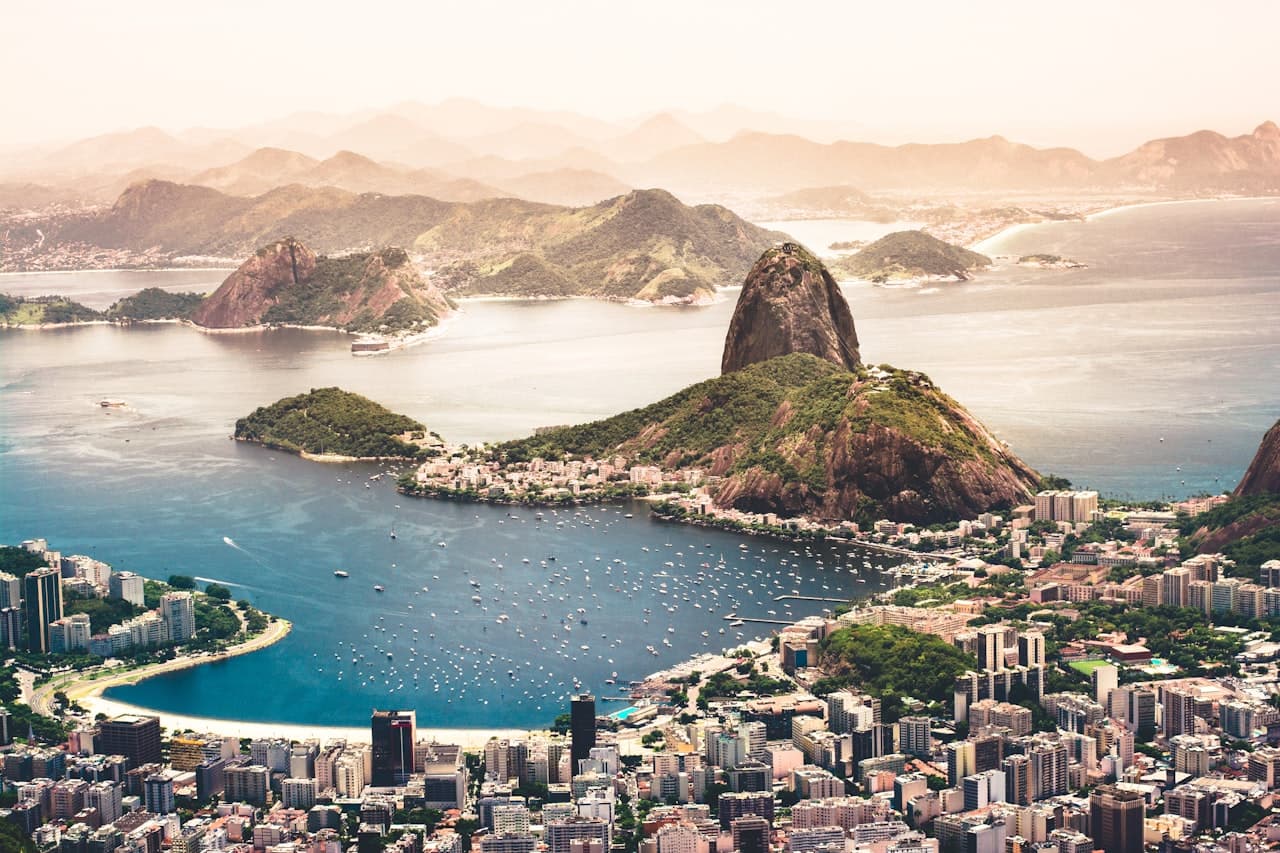
Rio combines famous beaches, forested hills, music, and neighborhoods with strong identities. Copacabana and Ipanema are convenient for a first stay, while Botafogo offers views of Sugarloaf and a lively food scene. Santa Teresa brings hills, studios, and historic character. Choose accommodation near the experiences you value most; crossing the city repeatedly can cost more in time and transport than a slightly higher room rate.
Plan beach mornings, a viewpoint or museum in the afternoon, and a meal that lets you linger. Visit Christ the Redeemer or Sugarloaf early, reserve official tickets, and keep weather flexibility because cloud can obscure the views. Walk in busy areas with ordinary city awareness, leave jewelry at home, and use trusted transport after dark. A favorable exchange rate is not a reason to ignore safety or accept an unlicensed tour.
Brazilian value is often found in everyday experiences: bakeries, juice bars, neighborhood restaurants, public cultural spaces, and local music. Ask whether a menu includes a service charge and learn a few Portuguese phrases. Compare accommodation reviews for noise, air conditioning, security, and transport. Rio rewards travelers who slow down and combine major landmarks with ordinary beach and food culture.
Bogota: museums, markets, and high-altitude planning
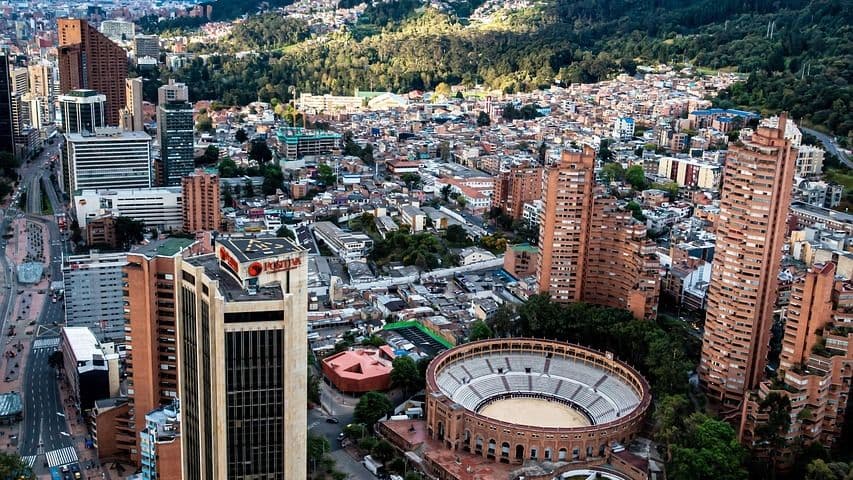
Bogota offers serious value through museums, galleries, public spaces, coffee culture, and restaurants ranging from casual to creative. La Candelaria is convenient for historic attractions but deserves extra attention to route planning, especially at night. Chapinero, Zona G, and other districts provide dining and lodging choices with different atmospheres. Pick a base near your priorities and allow time for traffic.
The city sits at high altitude, so the first day should be gentle. Drink water, eat regularly, and do not schedule a demanding hike immediately after landing. The Gold Museum, Botero Museum, Monserrate, and a market visit can form a varied itinerary, but confirm opening hours and ticket requirements. Use registered taxis or reputable ride services, keep your phone discreet on the street, and ask locals or hotel staff about current routes.
Coffee is an excellent way to understand the country beyond a bargain calculation. Visit a cafe that explains its beans and preparation, and consider a day trip only after checking traffic and weather. In 2026, compare guided tours carefully: a low price should not mean an overcrowded group, unclear transport, or no responsible relationship with producers.
Medellin: neighborhoods and day trips
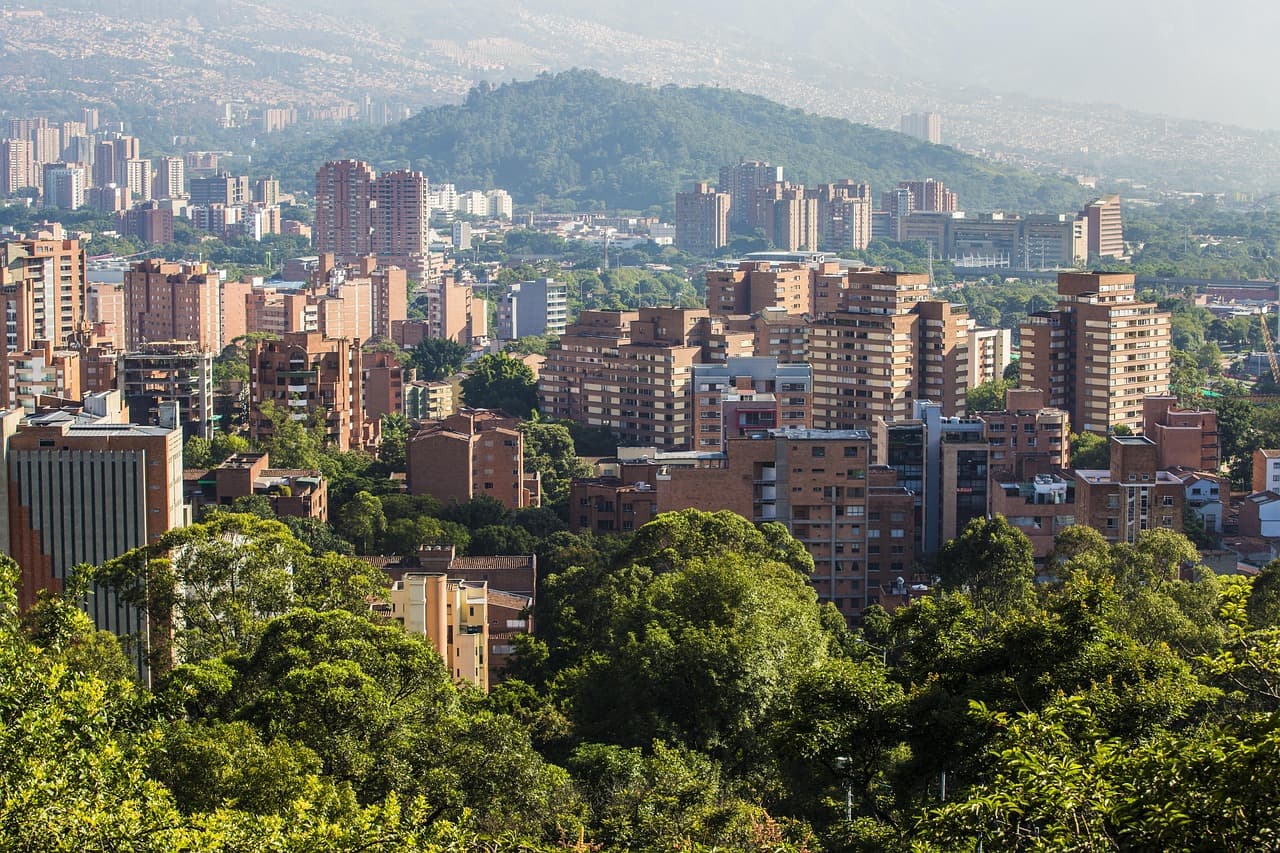
Medellin is known for its valley setting, efficient urban cable cars, public art, and neighborhood transformation. El Poblado is convenient and full of restaurants, but Laureles can offer a calmer, more local-feeling base. The city is hilly, so check walking routes and transport connections before booking. Cable-car rides can be part of the experience, yet they are also public transit; respect queues and residents using the system for daily life.
Explore museums, plazas, markets, and guided community projects with transparent local partners. Guatape is a popular day trip, but its travel time and crowds make an early start worthwhile. Ask whether a tour includes entrance fees, meals, and safe transport. Medellin's value is strongest when you stay several nights rather than trying to see every attraction in one rushed visit.
Spend savings where they matter
A better exchange rate can fund a local guide, comfortable transport, a cooking class, or a hotel in a safer and more convenient area. It can also support independent restaurants, craftspeople, musicians, and conservation projects. Do not bargain aggressively for essentials or treat lower local prices as permission to waste food and services. Tip according to local practice and confirm prices before a ride or tour.
For 2026, compare Rio for beaches and dramatic scenery, Bogota for museums and coffee, and Medellin for urban culture and mountain day trips. Recheck exchange rates, entry rules, weather, and safety guidance shortly before departure. The smartest strong-dollar trip is not one where every purchase feels cheap; it is one where careful planning turns financial flexibility into richer, fairer experiences.